Showing posts with label student learning. Show all posts

Friday, 27 March 2015

Teaching through Inquiry

There has been a lot said about Inquiry in the classroom and you can take whatever side you want. However, for me it is such a fundamental component of any primary classroom.  This is because in my opinion when we are first learning a new skill it is through inquiry that we learn it. Very rarely is it through a lecture. In fact even as an adult when acquiring new skills do we do it through lectures but through mentor-ship and research.

For me teaching is all about the inquiry process. And teaching through inquiry allows you to meet all the minds in the classroom.

Now before I get too far in my post maybe I should articulate what I mean by inquiry, as I know there are many variations of the process out there.

Throughout my teaching career my journey through inquiry has undergone a lot of changes. When I first started teaching I thought what I did was inquiry. I would plan lessons that were hands-on, engaging, thought provoking and had plenty of talk built in. Students would often be engaged with problems, experiments or activities that required them to think, problem solve and then discuss.  Now I know many of you are thinking but isn't that inquiry and you are correct.

According to Google, inquiry is:

in·quir·y
ˈinkwərē,inˈkwī(ə)rē/
noun
  1. an act of asking for information.

However, what I was realizing was that I was the one doing the inquiring. I was the one that set the stage for student learning, I was the one that debriefed and discussed the learning.  I felt that this type if inquiry was more about me and less about the students. So I changed. I changed my thinking to be more student driven. My units often start with provocations, which then lead to questions, which then in turn lead to students recommending further learning. I still insert my thoughts but now they are developed through asking questions and using student talk to deliver the observations and learning.

Now why do I love inquiry so much:

The first is that I love it engages the students in the learning. They feel situated and invested. They want to learn because they like to learn. I even have students going home and asking their parents to go to the library or go and research because they want to find more things out about the topic they learn in school. I don't know about you but this is truly amazing to hear.

Second through inquiry you really understand the nature of your students learning. Because I am not lecturing and then asking students to complete a test where they regurgitate the information I just spewed out at them they have to rely on their own thinking and schemas. You also get to question them and conference more on a regular bases and because of this you see their growth and understanding. Assessment is a breeze because you have almost too many observations and conversations to choose from.

Finally, I look at this world around us and I think that the jobs I am preparing my students for don't even exist yet. Now you are right some jobs will exist put for the most part the skills that these students need will not. However, what will is the ability to problem-solve, be adaptable, creative, and flexible thinkers.

I recently came upon this:
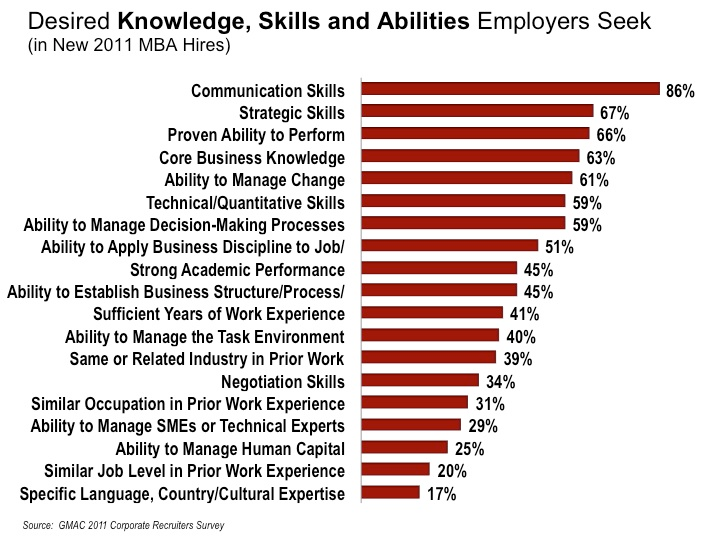

I love the fact that the first three skills are soft skills, one that you really cannot learn from reading a textbook or listening to someone tell you things. They are skills that take time to develop and through multiple experiences and situations. In my opinion inquiry does this. 

Now these are just my opinions but ones that have been grounded in my practise. They are observations of my growth and reflection. Would love to hear your thoughts?

What do you think of inquiry?

Do you like it? If so why?

What are the benefits? Drawbacks?

I would love to hear your opinions.


Monday, 2 June 2014

My 2ndish attempt at using provocations

I would like to think that I teach through Inquiry.  I really try to keep all of my work about the kids and their thinking; however, I do find myself still leading discussions more than I would like.  Then I learned about provocations.  WOW! I know that I have previously blog about this subject but since that time I have tried to use them more.  Today in science I did just that (at least I hope I did).

Here is what I did:

1) I got a bunch of experiments working on air and water

Center 1: AIR


Center 2: Water

Embedded image permalink
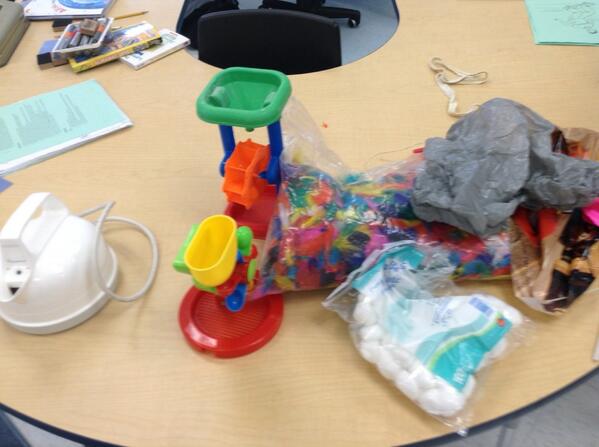
(note: some of these items were for other provocations)

Center 3: Water Cycle


Center #4: Pollution


I then broke them into groups had books and iPads at the centers and asked them what do they observe?  Wow, I couldn't believe the talk, the focus, and  the engagement.  Take a look at this shot:


Here the students were so engrossed in what was happening that they didn't even notice me.  They were saying, "cool look its raining!"  They were also using the vocabulary that we have been building before this through our watercraft project.

What did I learn?

1) Inquiry (true inquiry) is allowing planned exploration.  Students really need time to explore and make observations about the subjects.

2) This takes a lot of planning.  I been planning this for some time now (many thanks to my amazing PLN for their help in this).  As I have been planning I had to think about questions, get all of the materials ready and even think about possible misconceptions.

3) True assessment.  I was amazed at what the students had absorbed through previous books, the Watercraft project and our discussions.

4) Its a lot of fun to watch the joy and engagement of true learning

So if you haven't done provocations before, give it ago.  Its a lot of fun and you would be surprised at what you will learn about your students.


Wednesday, 28 May 2014

Water Craft Our new inquiry Part 1

I am writing this blog post as a documentation of a cool new inquiry project that my teaching partner Keri Ewart and myself (though more my teaching partner), called Water Craft.  The purpose of this inquiry is to design  new version  of Minecraft called Water Craft.  The students must include three of the big curriculum expectations:

  1. Assess ways in which the actions of humans have an impact on the quality of air and water, and ways in which the quality of air and water has an impact on living things
  2. investigate the characteristics of air and water and the visible/invisible effects of and changes to air and water in the environment
  3. demonstrate an understanding of the ways in which air and water are used by living things to help them meet their basic needs

Now this project has been a spur of the moment (which to me are the best kind) so we will see how it goes.  The hope is that the grade twos will be designing their own game system that answers these three questions.  So far we have started by introducing our language centers which will give the students opportunities to explore the game, the writing portion and science.  

We have also had the students play inside of the game and discover different components of MineCraft.  The next stage is to start asking guided questions that students will have to answer in order to complete the big ideas and the actual making of a video game.

So what does this project look like:

1) This project is first linked to our science curriculum.  The learning goals of the game is to teach these three big ideas above

2) It is also linked to reading, writing and our language centers.  Students will be researching within their centers about water usage, conservation and characteristics.  Each center is based on building toward the future; designing a game.

3) Lots of exploration.

What was needed to get this type of project started:

1) Lots of planning and forward thinking.  Even though we decided on it at the last minute, my teaching partner and I have had to rethink through our curriculum needs and figure out how to interconnect all of tech into the curriculum.

2) We also had to give our students a lot of exploring time. I have found that whenever you introduce something new for the first time, students just really want to explore, so we did just that.  The first day was all about exploration.  The students played with mindcraft, they read and played the center apps and discussed as they went.  We were also very lucky to have some grad students in from York to help use problem solve and work through playing the game.

3) we gave time to ask questions and answer some of them.  After the student explored on the game, we had them come up with a list of questions that they would have to explore.  The hope was that this would spur more inquiry and make the children think about what they are working towards.


 Each week I hope to document the learning that is happening and reflect on the process.  In the mean time if anyone has any other suggestions we welcome any advice or help.  Stay tuned for more.